House of fabrics
Fabric from the great mills
Sample books from the mills below line the atelier shelves and are updated each season. These are not marketing names; they are houses with histories, and the fabric they produce reflects that. You choose in person, in hand, under the atelier's light.
Suiting mills
Loro Piana
Known for the sourcing of raw fibre, from Australian merino to Mongolian cashmere. Fabrics of exceptional softness; quietly dominant, never showy.
Ermenegildo Zegna
Began with the ambition to produce the finest wool fabric. The Trofeo and High Performance ranges remain references for suit-weight fabric; Zegna controls the chain from fleece to finished bolt.
Scabal
Synonymous with exclusive suiting fabric: rare fibres woven for the world's tailors, from everyday Super 120s to ceremonial fabrics.
Holland & Sherry
One of Britain's great fabric merchants, long associated with Savile Row. Highland tweeds, Shetland wools and fine worsteds.
Dormeuil
A French house founded to bring English fabric to France; a long-standing supplier to tailoring houses, known for rare-fibre fabrics such as Vanquish.
Piacenza 1733
Among the oldest continuously operating textile mills in Italy, with cashmere overcoatings and vicuña blends.
Ariston
A Neapolitan fabric merchant whose light, draping fabrics suit southern Italian tailoring and Dubai's year-round heat.
Caccioppoli
Fabrics defined by handle and drape, selected by a Neapolitan family of fabric merchants.
Lanificio Cerruti
Founded by the Cerruti brothers in the wool capital of Biella; elegant high-twist wools and fluid Super 120s–150s fabrics.
Vitale Barberis Canonico
A family mill weaving since 1663, among the oldest wool mills in the world; its Grand Cru Super 200 is among the finest suiting fabrics.
Drapers
An Italian fabric merchant: suitings and jacketings in wool, linen and cotton.
Shirting houses
Alumo
Two-ply poplin and twill shirting from long-staple Egyptian cotton, a reference for bespoke shirts.
Albini
A major Italian producer of fine shirting, known for colour constancy and precise weaves.
Canclini
A family-owned mill near Como: silk weavers by origin, known today for fine cotton and linen shirting.
Mileta
Fine lawn and batiste from the Bohemian textile tradition, favoured for summer shirting.
The fabric guide
Understanding fabric makes you a better client
Super numbers
Super 100s, 120s, 150s refer to the fineness of the fibre. Higher numbers mean finer, softer fabric, but also more delicate fabric. For daily wear, Super 120s–130s is the sweet spot; Super 150s and above is for occasions.
Weight, grams per metre
Fabric weight is quoted in grams per running metre: from around 200 g for summer suitings to 340 g and above for winter flannel; overcoatings start at about 450 g. For Dubai the working range is 200–250 g: light enough to be comfortable, substantial enough to hold its shape.
Weave structure
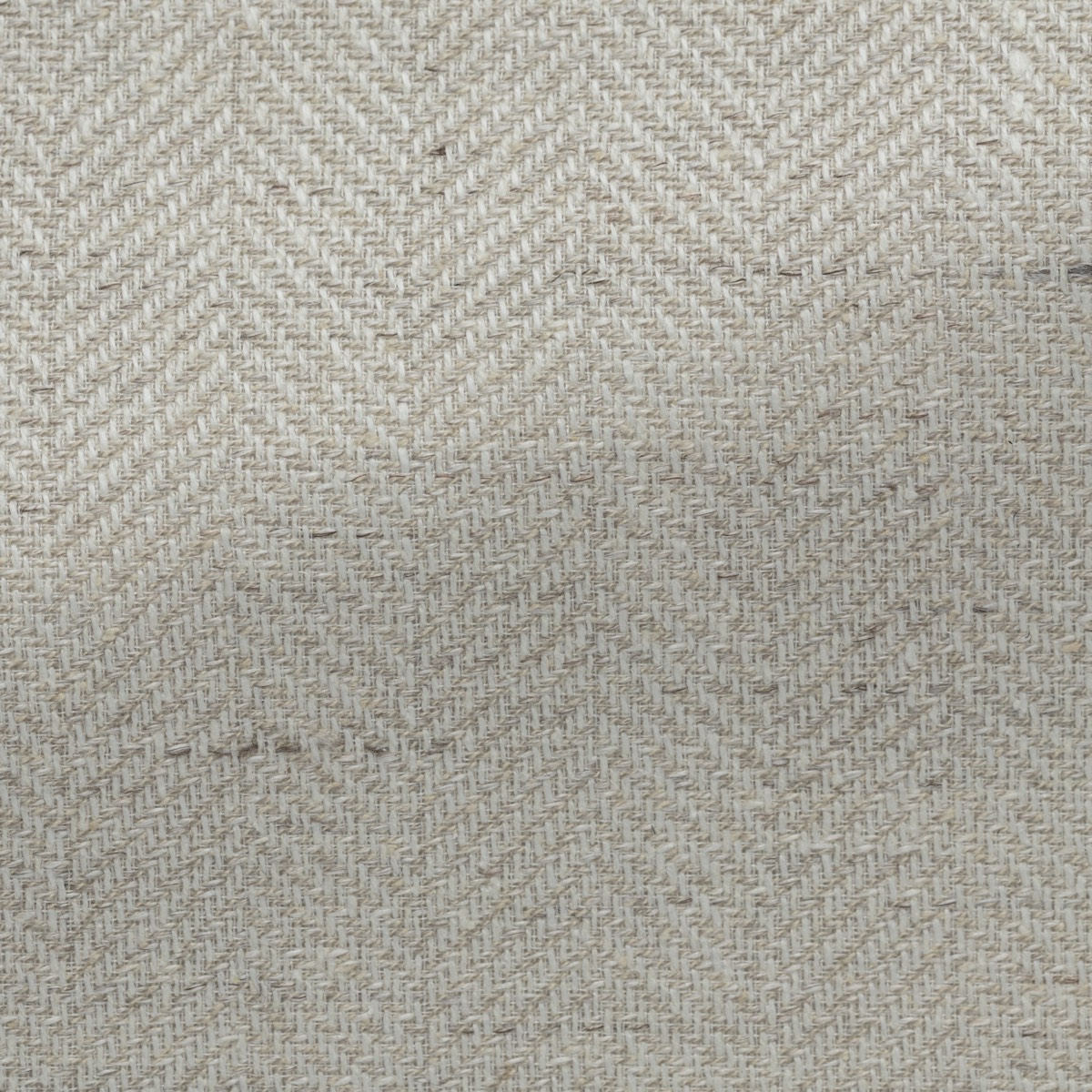
Plain weave is crisp and airy, the weave of tropical wools and fresco. Twill has a fine diagonal rib, drapes well and resists creasing; herringbone and houndstooth are twill patterns. Flannel is brushed after weaving: softer, warmer and heavier.
Colour and pattern
A plain navy or charcoal is the foundation of any wardrobe. A fine chalk stripe adds formality; a glen check reads as relaxed authority; a windowpane delivers quiet individuality.
The finishing
Linings, buttons and fine details
The lining
Jackets are lined in Bemberg cupro, a fibre made from cotton linter, the fine down around the cotton seed: it breathes like cotton, feels like silk and wears well. An extensive range of colours and patterns is available.
Buttons and trimmings
Natural horn and corozo buttons only, no plastic. Horn is carved from water buffalo horn, each button unique in grain and depth of colour; corozo, vegetable ivory, is harvested from the tagua palm. Buttonholes are worked by hand on every commission.
Choose your fabric
The full fabric room is available to view at your first appointment.
Book a consultation